




How to Create a Relaxing and Productive Home Office Environment
Creating a comfortable and efficient home office is essential for anyone working remotely or managing tasks from home. A well-designed workspace can improve focus, reduce stress, and enhance overall productivity.
This guide will walk you through practical tips to help you design a home office that supports both relaxation and work performance.
1. Choose the Right Location
Selecting an appropriate spot for your home office is the first step. Ideally, choose a quiet, well-lit area that minimises distractions.
– Natural Light: Position your desk close to a window to enjoy natural light, which can boost mood and energy.
– Away from High Traffic: Avoid placing your workspace where family members or roommates frequently pass by.
– Dedicated Space: If possible, use a separate room or a designated corner, so your brain associates that space with work.
2. Invest in Comfortable Furniture
Comfort is key to staying productive and avoiding physical discomfort.
– Ergonomic Chair: Choose a chair that supports your back, encourages good posture, and adjustable to your height.
– Desk Height: Ensure your desk is at a height where your arms rest comfortably without strain.
– Footrest: Consider a footrest if your feet don’t sit flat on the floor, improving circulation.
3. Organise with Purpose
Clutter can increase stress and lower concentration. Maintaining an organised workspace helps keep your mind clear.
– Storage Solutions: Use shelves, drawers, or filing cabinets to store documents and supplies away but within reach.
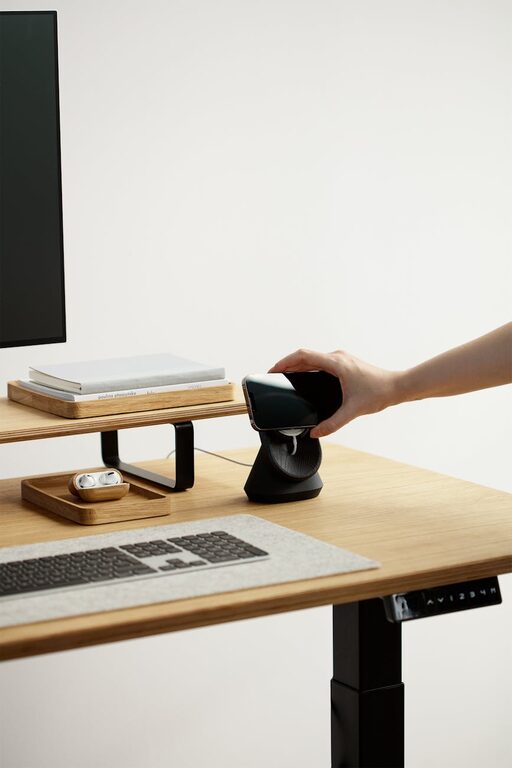
– Desk Organisers: Utilise trays, pen holders, and cable management tools to keep your desktop neat.
– Minimalism: Keep only essential items on your desk to avoid distractions.
4. Optimise Lighting and Screen Setup
Good lighting reduces eye strain and fatigue, while proper screen positioning prevents neck and back pain.
– Balanced Lighting: Combine natural light with task lighting such as a desk lamp to avoid glare on your screen.
– Screen Position: Position your computer screen at eye level about an arm’s length away.
– Blue Light Filters: Consider using screen protectors or software that reduce blue light exposure, especially during late hours.
5. Personalise Your Space
Adding personal touches can make your office feel inviting and keep you motivated.
– Plants: Adding greenery can improve air quality and bring a calming effect.
– Artwork: Display calming images or inspirational quotes to maintain a positive mood.
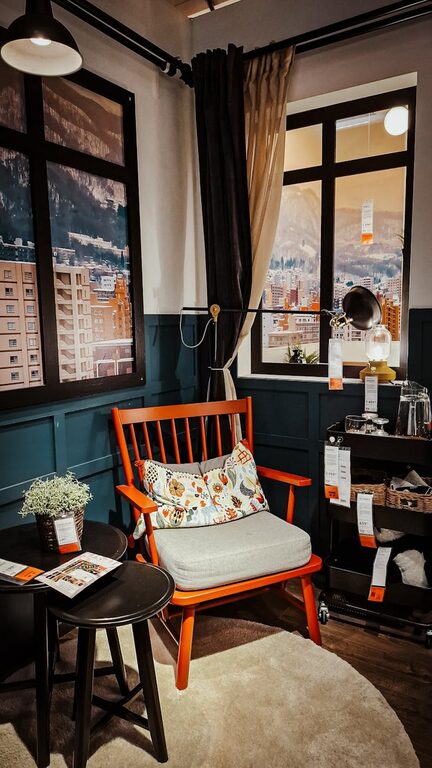
– Colours: Choose soothing colours for walls and accessories; blues and greens are often recommended for relaxation.
6. Incorporate Relaxation Techniques
Balancing work and relaxation boosts your well-being and prevents burnout.
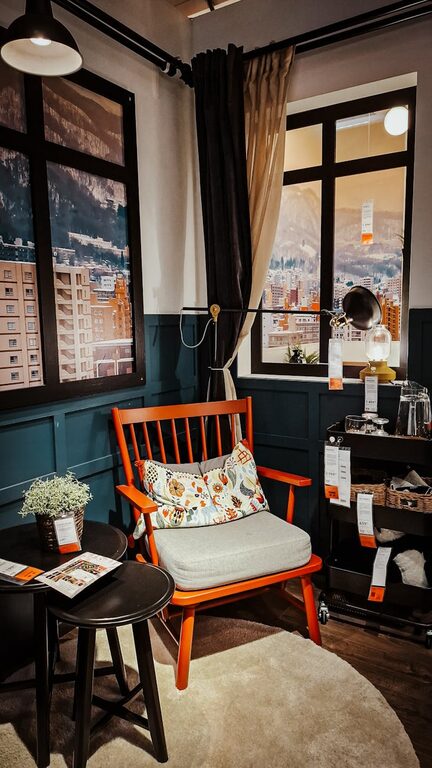
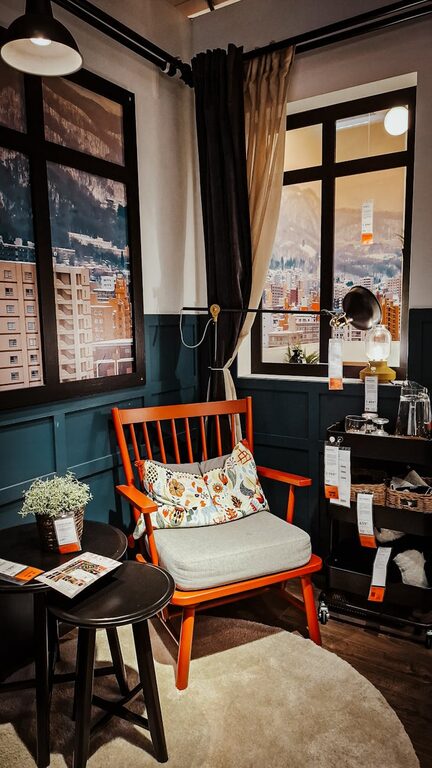
– Break Area: If space allows, create a small area with a comfortable chair or cushions to step away briefly.
– Movement: Position your desk to allow stretching or short exercises during breaks.
– Aromatherapy: Use essential oils or scented candles with calming scents like lavender or eucalyptus to create a serene atmosphere.
7. Manage Noise Levels
Noise can be distracting and reduce productivity. Managing sound is vital, especially in busy homes.
– Noise-Cancelling Headphones: Useful for blocking out background noise during focus times.
– Soft Furnishings: Carpets, curtains, and cushions absorb sound and create a quieter environment.
– Sound Machines: Consider white noise machines or apps that play gentle sounds to mask interruptions.
8. Set Clear Boundaries and Routines
Establishing routines and boundaries makes your home office feel like a professional workspace.
– Working Hours: Define specific start and end times to separate work and personal life.
– Dress Code: Dressing as if going to an office can increase mental readiness.
– Breaks: Schedule regular breaks to rest your eyes and refresh your mind.
Conclusion
Designing a home office that balances relaxation with productivity doesn’t have to be complicated. By carefully selecting your location, investing in ergonomic furniture, organising your space, and personalising your environment, you can create a setting conducive to both focus and comfort. Remember to manage noise, lighting, and set clear routines to support your workflow effectively.
With these tips, your home office can become a place where work feels manageable and even enjoyable, helping you maintain balance and achieve your goals.