







Tips for Creating a Sustainable Home Garden Throughout the Year
Creating a sustainable home garden can be a rewarding project that benefits both your household and the environment. With the right approach, you can enjoy fresh produce, beautiful plants, and a thriving ecosystem, no matter the season. This guide offers practical advice on how to design and maintain an eco-friendly garden throughout the year.
Understanding Sustainable Gardening
Sustainable gardening means cultivating your garden in ways that conserve resources, support biodiversity, and reduce environmental impact. It involves using natural materials, recycling waste, saving water, and choosing plants suited to your local climate.
By adopting sustainable practices, you help protect soil health, promote pollinators, and reduce reliance on chemical inputs.
Planning Your Garden: Start with the Basics
Before planting, consider the following steps to set your garden up for success:
– Assess Your Space and Climate: Sketch your garden layout, noting sunlight patterns, shade areas, and soil type. Know your local climate zone to select plants that will thrive.
– Choose Native and Climate-Adapted Plants: Native species are well-suited to local weather and pests, so they often require less water and maintenance.
– Plan for Diversity: Incorporate a mix of vegetables, fruits, herbs, flowers, and shrubs. This encourages beneficial insects and helps prevent disease.
– Rotate Crops Annually: Changing plant locations each year preserves soil nutrients and reduces pests.
Soil Care and Composting
Healthy soil is the foundation of a sustainable garden.
– Test Your Soil: Kits or local garden centres can help you understand your soil’s pH and nutrient levels.
– Add Organic Matter: Regularly enrich soil with compost, leaf mulch, or well-rotted manure to improve texture and fertility.
– Avoid Synthetic Fertilisers: Opt for natural alternatives like bone meal, seaweed extracts, or green manures.
– Start Composting: Use kitchen scraps, garden waste, and fallen leaves to create your own compost. This reduces rubbish and enriches soil naturally.
Water Conservation
Water is essential but can be scarce or costly, so using it wisely matters.
– Harvest Rainwater: Install a water butt to collect rain from downpipes.
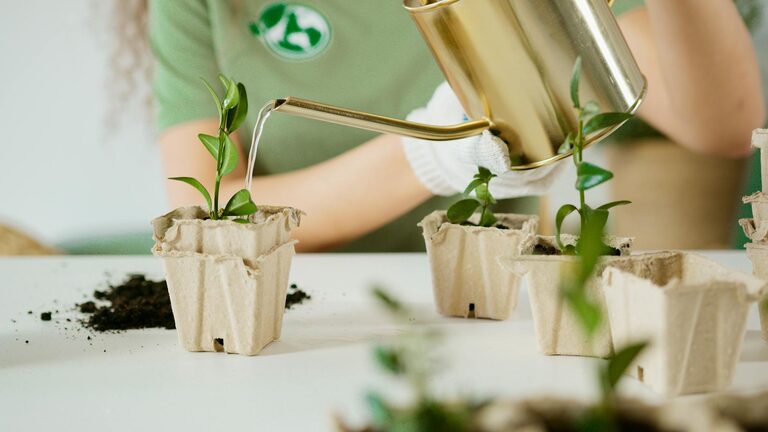
– Use Watering Cans or Drip Irrigation: Target watering to plant roots instead of spraying broadly.
– Water Early or Late: Morning or early evening watering limits evaporation.
– Mulch Beds: A thick mulch layer retains moisture and suppresses weeds.
Year-Round Planting Tips
Sustainable gardening is not just for spring and summer. Here’s how to keep your garden productive throughout the year.
Spring
– Start seeds indoors or in cold frames to get an early head start.
– Sow hardy crops such as peas and broad beans directly outside.
– Prune shrubs and prepare beds with compost.
Summer
– Plant heat-tolerant crops like tomatoes, peppers, and courgettes.
– Maintain regular watering and mulch to retain moisture.
– Harvest regularly to encourage new growth.
Autumn
– Sow cover crops or green manures to protect and nourish the soil over winter.
– Plant bulbs for spring flowers.
– Collect fallen leaves to add to your compost or use as mulch.
Winter
– Use cloches, cold frames, or polytunnels to protect winter vegetables.
– Plan crop rotations and order seeds for the coming year.
– Perform soil tests and tidy garden equipment.
Encouraging Wildlife and Biodiversity
A sustainable garden welcomes beneficial wildlife.
– Install bird feeders and birdbaths.
– Create habitats like log piles or insect hotels.
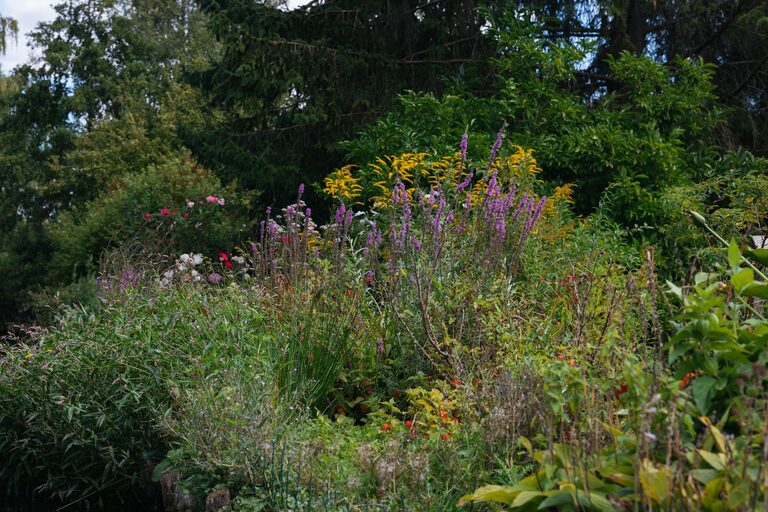
– Plant a variety of flowering plants to support pollinators.
– Avoid using pesticides; opt for natural pest control methods like companion planting.
Reducing Waste and Reusing Materials
– Repurpose old containers, pallets, and scraps as plant pots or garden structures.
– Save seeds from your healthiest plants for next season.
– Use natural garden fabrics or biodegradable materials for weed control.
Tools and Maintenance
– Choose durable, high-quality tools that last.
– Sharpen and clean tools regularly to prevent disease spread.
– Organise your garden schedule to split tasks throughout the week.
Final Thoughts
Building a sustainable home garden is an ongoing process that rewards patience and care. By following the tips above, you can cultivate a thriving garden that nurtures the earth, supports local wildlife, and provides fresh food and joy throughout the year. Remember, each small step towards sustainability counts in making a positive environmental difference.
Happy gardening!