






How to Create a Sustainable and Eco-Friendly Home Garden Year-Round
Creating a sustainable and eco-friendly home garden is a rewarding way to connect with nature, reduce your environmental impact, and enjoy fresh produce or beautiful plants all year round. Whether you have a small balcony, a backyard, or even just some window boxes, you can design a garden that nurtures the earth while enhancing your space. This guide offers practical, easy-to-follow steps to help you cultivate a garden that is kind to the planet and vibrant through every season.
Why Choose a Sustainable Home Garden?
Sustainability in gardening means working with natural processes to grow plants without causing harm to the environment. By choosing eco-friendly methods, you help conserve water, reduce waste, support local wildlife, and lower carbon emissions. Sustainable gardens often require less chemical input, reduce plastic use, and encourage biodiversity.
Planning Your Year-Round Eco-Friendly Garden
Before planting, take time to plan thoughtfully. Consider your local climate, soil quality, available space, and sunlight.
Assess Your Space and Resources
– Sunlight: Most edible plants need at least six hours of sunlight. Observe your garden area at different times to decide where to plant.
– Soil: Test your soil’s texture and pH to understand what amendments it might need. Compost and organic matter improve soil health.
– Water Source: Plan for efficient watering by locating hoses or rainwater barrels nearby.
– Space: Even a small area can grow herbs or salad greens in pots or raised beds.
Choose Native and Seasonal Plants
Using native plants supports local ecosystems and wildlife, requiring less water and care. Planting vegetables and flowers suited to each season ensures better growth and less vulnerability to pests.
– Spring: Peas, spinach, radishes, and early flowers like crocuses.
– Summer: Tomatoes, beans, courgettes, sunflowers.
– Autumn: Kale, carrots, Brussels sprouts.
– Winter: Garlic, winter lettuce, broad beans (depending on climate).
Building Healthy Soil Naturally
Healthy soil is the foundation of a sustainable garden.
– Composting: Convert kitchen scraps, garden waste, and fallen leaves into nutrient-rich compost instead of sending them to landfill.
– Mulching: Apply organic mulch like straw, bark, or leaves to retain moisture, suppress weeds, and improve soil structure.
– Crop Rotation: Change planting locations yearly to prevent soil depletion and reduce pests.
– Avoid Chemicals: Use natural fertilisers such as seaweed or comfrey rather than synthetic options.
Water Wisely
Water conservation is vital to eco-friendly gardening.
– Rainwater Harvesting: Install barrels or tanks to collect rainwater for irrigation.
– Watering Times: Water early in the morning or late in the evening to minimise evaporation.
– Drip Irrigation: Use drip hoses or soaker pipes to deliver water directly to plant roots.
– Drought-Resistant Plants: Choose varieties that tolerate less water if your region experiences dry spells.
Encouraging Biodiversity
A diverse garden supports beneficial insects, birds, and soil organisms.
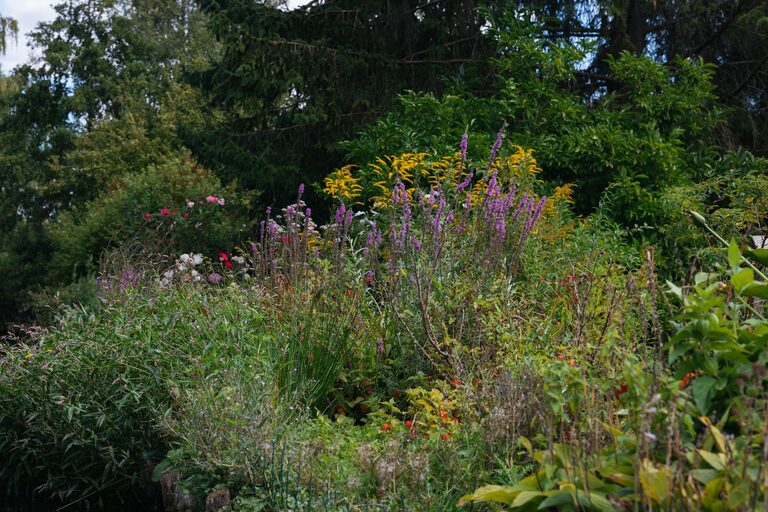
– Pollinator Plants: Include flowers like lavender, marigolds, and daisies to attract bees and butterflies.
– Wildlife Habitats: Leave small piles of logs or stones for insects and amphibians.
– Avoid Pesticides: Use companion planting or manual pest control methods to protect beneficial species.
Year-Round Maintenance Tips
Keeping your garden healthy throughout the year requires ongoing care.
– Pruning and Deadheading: Remove dead or damaged growth regularly to promote healthy plants.
– Seasonal Planting: Sow seeds or plant seedlings according to seasonal calendars.
– Green Manure: Grow cover crops such as clover or mustard in winter to enrich soil.
– Tool Care: Clean and maintain gardening tools to prevent disease spread.
Growing Food at Home: Benefits Beyond Sustainability
Growing fruits, vegetables, and herbs at home reduces the need for supermarket packaging and transportation. Homegrown produce is fresher, often more nutritious, and can be grown organically without harmful pesticides.
Tips for Small Spaces
Even limited areas can support sustainable gardening.
– Vertical Gardening: Use trellises and wall-mounted planters.
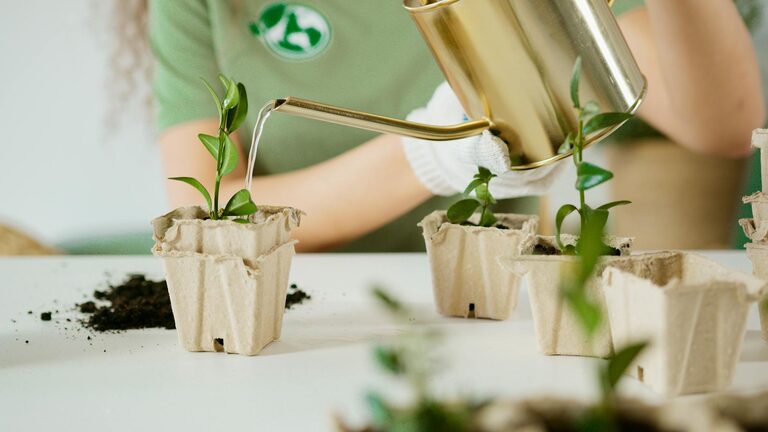
– Container Gardening: Grow herbs and salad greens in pots.
– Community Gardens: Join local initiatives if your own space is very limited.
Conclusion
Creating a sustainable and eco-friendly home garden is entirely achievable with simple, mindful practices. By planning carefully, respecting natural cycles, and nurturing your soil and plants responsibly, your garden can thrive throughout the year. Not only will this reduce your environmental footprint, but you will also enjoy the beauty and satisfaction of growing something healthy and green.
Embrace the seasons and watch your garden flourish sustainably!