


Tips for Creating a Relaxing Garden Space at Home
Creating a relaxing garden space at home is a wonderful way to bring calm and beauty into your everyday life. Whether you have a large garden or a small balcony, a thoughtfully designed outdoor area can provide a sanctuary to recharge, connect with nature, and enjoy fresh air. Here, we will explore practical tips to help you design a garden space that promotes relaxation, comfort, and peace.
Choose the Right Location
Start by selecting a suitable spot in your garden or outdoor area for your relaxing space. Consider factors such as:
– Sunlight: Decide whether you prefer a sunny spot for warmth or a shaded area to stay cool.
– Privacy: Look for a corner away from busy streets or neighbours where you can feel secluded.
– Accessibility: Ensure your space is easy to reach from your home for convenience.
By assessing your garden’s layout, you can pick a location that suits your needs and maximises comfort.
Incorporate Comfortable Seating
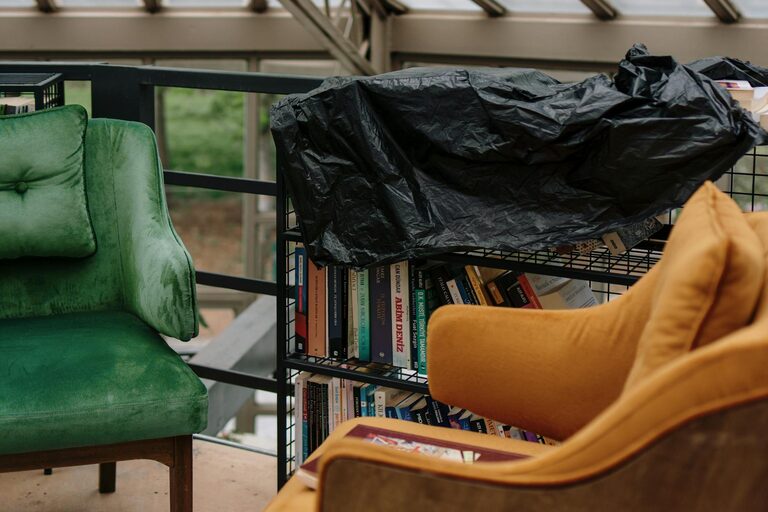
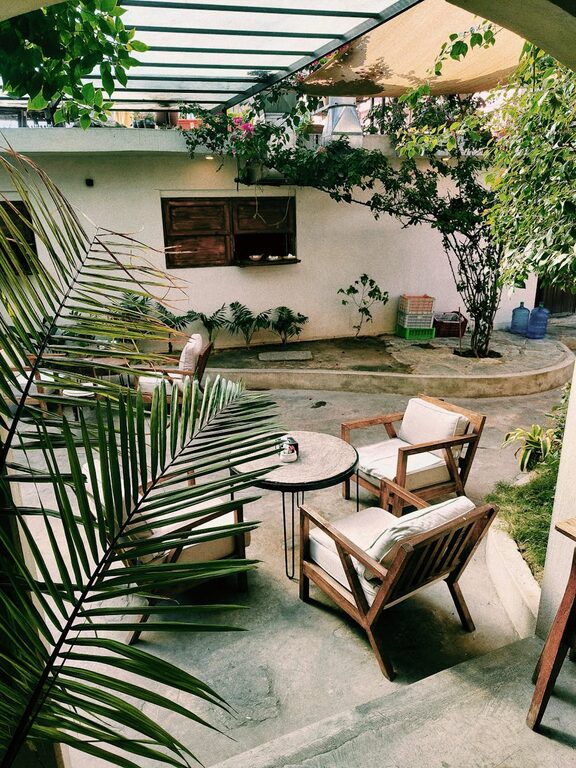
A relaxing garden space needs comfortable seating where you can lounge or sit with ease. Options include:
– Garden benches
– Hammocks or swinging chairs
– Cushioned chairs or loungers
– Outdoor sofas
Use weatherproof cushions and blankets to add softness and warmth. Arrange the seating to encourage conversation or quiet reflection, depending on your preference.
Use Plants to Create Calm
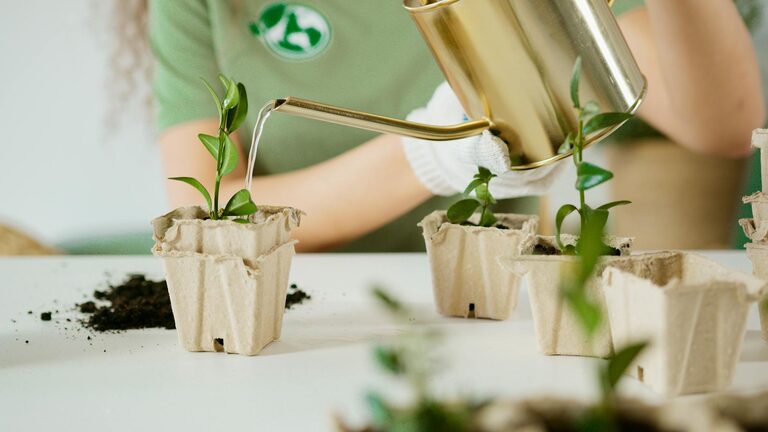
Plants are central to making a garden feel calming and inviting. Here’s how to choose and use plants effectively:
Select Soothing Colours
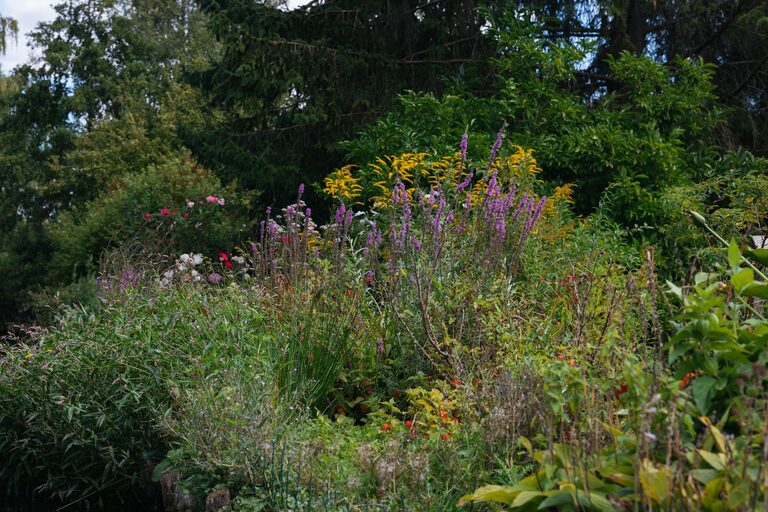
Opt for plants with soft, gentle colours such as pale greens, lavender, whites, and blues. These shades have a calming effect and help create a serene environment.
Include Fragrant Plants
Adding fragrant plants like lavender, jasmine, or rosemary can enhance relaxation by stimulating the senses with pleasant aromas.
Mix Textures and Heights
Combine different leaf shapes and plant heights for visual interest and a natural feel. Taller plants can provide shade and privacy, while low-growing ones soften pathways.
Easy-to-Care-For Varieties
Choose hardy, low-maintenance plants if you prefer a low-effort garden. This helps reduce stress and keeps your space looking good year-round.
Add Water Features
The sound of flowing water has a universally calming effect. Consider adding elements such as:
– A small fountain
– A birdbath
– A pond with a gentle waterfall
These features attract wildlife and provide soothing background noise, contributing to your garden’s peaceful atmosphere.
Introduce Soft Lighting
Outdoor lighting can transform your garden space in the evenings. Soft, warm lights create a cosy ambiance. Ideas include:
– Solar-powered lanterns or fairy lights
– Ground-level spotlights to highlight plants
– Candle lanterns or LED candles for tables
Avoid harsh, bright lighting that can disturb the tranquil mood.
Use Natural Materials
Opt for natural materials like wood, stone, or bamboo when choosing furniture, pathways, or decorative elements. These materials blend well with plants and enhance the connection to nature.
For example:
– A wooden deck or patio
– Stone stepping stones or borders
– Bamboo screens for privacy
Natural textures add warmth and authenticity to your garden space.
Create Areas for Different Activities
Design your garden to accommodate a variety of relaxing activities. You might want:
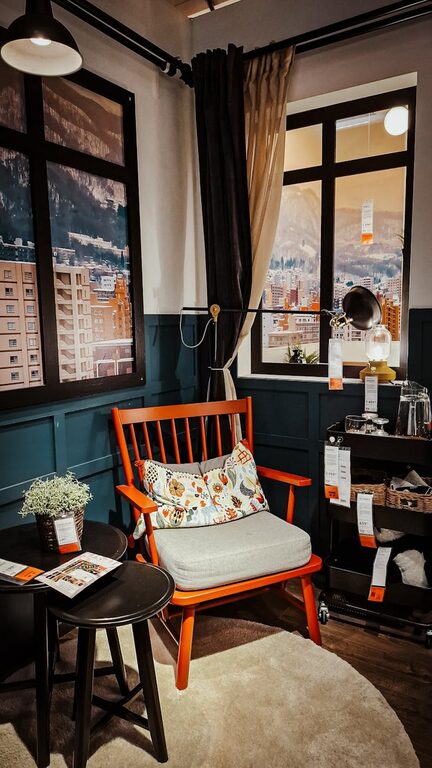
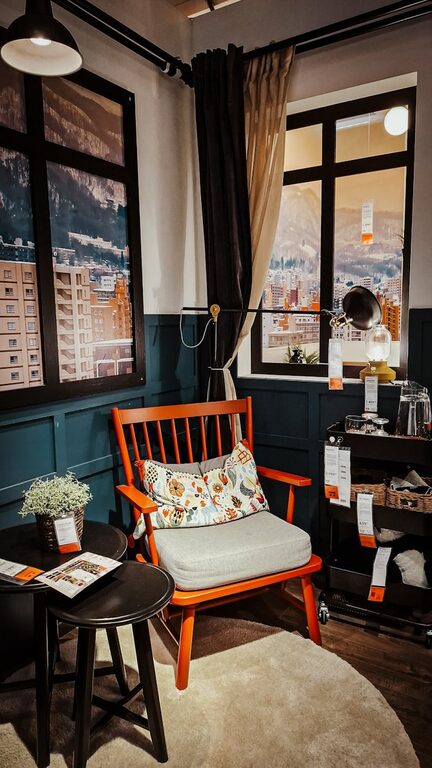
– A reading nook with a comfortable chair and side table
– Space for yoga or meditation with a soft mat and cushions
– An area for dining or enjoying tea outdoors
Defining zones within your garden helps you use the space fully and adapt it to different moods.
Keep Clutter to a Minimum
A tidy, decluttered garden feels more peaceful. Store garden tools and accessories out of sight and remove items that do not contribute to relaxation. Regular maintenance — such as pruning and leaf clearing — keeps your space inviting.
Consider Sound and Privacy
If you live in a busy area, think about how to reduce noise and create privacy:
– Use tall hedges, fences, or screens as natural sound barriers.
– Plant a “green wall” of thick shrubs or climbing plants.
– Add outdoor rugs or soft surfaces to reduce sound reflection.
These steps help make your garden feel like a quiet haven.
Add Personal Touches
Finally, personalise your garden space with items that make you happy and relaxed, such as:
– Wind chimes for gentle sounds
– Artwork or sculptures that complement the natural setting
– Outdoor cushions or throws in your favourite colours
– Pots or planters with your favourite flowers
Adding things that reflect your personality makes your garden truly your sanctuary.
—
Designing a relaxing garden space doesn’t have to be complicated or expensive. By focusing on comfort, natural elements, and sensory experiences, you can create a peaceful outdoor retreat at home. Take your time to experiment with different plants, layouts, and features. Before long, you’ll have a garden that invites tranquillity and provides a welcome escape from the everyday.